If you have been treated for cockroaches and the problem persists, there is a good chance the species was misidentified. German cockroaches require completely different products and placement than American cockroaches. Show Me Pest Control starts with the identification.
The Four Pillars of Effective Cockroach Control
The protocol differences that separate a one-treatment result from a recurring problem are specific and technical. These four pillars are where those differences live.
Misidentified species is the primary cause of cockroach treatment failure. German cockroaches respond to gel bait placed precisely in harborage zones. American cockroaches respond to perimeter barrier treatment and exclusion work. Treating them identically produces identical failures.
Professional gel baits achieve what sprays cannot - colony-level elimination through bait transfer. The product must be placed in the right location (inside the harborage zone, not near it) and must not be contaminated by repellent sprays. Our technicians know both requirements.
When German cockroaches establish in a wall void, surface spray does not reach them. We inject insecticide dust and foam into the void directly - reaching the colony where it actually lives, not where it occasionally forages.
American cockroach problems are exterior problems that express themselves inside. The correct response addresses the exterior first - barrier application and entry point sealing - before any interior treatment is considered.
Species Biology and Treatment Science
German cockroach biology is what makes them the most difficult indoor insect pest to control. A single female produces 4 to 8 egg cases during her lifetime, each containing 30 to 48 eggs that hatch within 28 days in warm conditions. Nymphs reach reproductive maturity in as little as 6 weeks, so the compound population growth in an infested kitchen creates the geometric expansion pattern that homeowners describe as "suddenly everywhere." German cockroaches have also developed documented resistance to pyrethroids and some organophosphates through behavioral and biochemical mechanisms - populations in infested kitchens in NC have been selecting for resistance for decades. This resistance is why the spray-and-go service that worked 20 years ago frequently fails today on established German cockroach populations.
American cockroaches - also called palmetto bugs in coastal regions of NC - are peridomestic insects that live outdoors in warm, moist environments: mulched garden beds, storm drains, sewers, wood piles, and the moist soil around foundation plantings. They enter structures at night through gaps around plumbing penetrations (particularly floor drains and under-sink pipe openings), under exterior doors with worn seals, through weep holes in brick veneer, and through any gap at the foundation or basement level. The typical homeowner's description is finding large cockroaches in the bathroom or kitchen in the middle of the night - they are foraging inside the structure and returning outside before dawn. This behavioral pattern means that chemical treatment inside the structure addresses temporary visitors, not the resident population. The correct approach is a non-repellent perimeter barrier at the foundation level that the cockroaches walk through as they enter, combined with sealing of the primary entry points identified at the assessment.
Cockroach treatment that did not work in Jamestown?
Call +1-866-315-0243. A Show Me Pest Control technician identifies the species and applies the correct protocol.
Why gel bait fails when applied incorrectly is a specific technical question that determines whether German cockroach treatment succeeds. The most common application error is bait placement on travel surfaces rather than harborage zones. Cockroaches move quickly across travel surfaces - a kitchen countertop, a baseboard, a cabinet shelf - and are not likely to stop and feed on bait applied there. Bait must be placed where cockroaches rest and congregate: inside the cabinet hinge joint, inside the motor housing of the refrigerator or dishwasher, in the corner of the void behind the drawer slide, inside the gap at the back of the cabinet where the wall meets the shelf. These are the locations where a resting cockroach will encounter the bait and consume it. The second common failure is repellent spray contamination. When a repellent pyrethroid spray is applied in the same space as a gel bait, cockroaches avoid the area entirely. The bait goes unconsumed. Professional protocol at Show Me Pest Control uses non-repellent gel formulations and never applies repellent sprays in spaces where gel bait is placed - the two approaches are incompatible.
Commercial kitchens in Jamestown and across NC operate under health department standards that treat any cockroach sighting as a critical violation requiring immediate corrective action. This regulatory context shapes the commercial cockroach management program in specific ways: treatment must be documented to health department standards, zero-tolerance is the threshold (not reduced activity), and the frequency and documentation structure of service visits are part of the compliance record. Show Me Pest Control's commercial kitchen cockroach program in Jamestown uses exclusively gel bait and non-chemical methods in food-contact areas, provides service visit documentation formatted for health department records, and maintains a station map and historical service log for each account. Monthly service frequency is standard for commercial food service; the frequency is based on the regulatory requirement for ongoing monitoring rather than active infestation presence. Multi-unit residential housing in Jamestown presents a related challenge: cockroach activity in one unit almost always indicates activity in adjacent units sharing the same plumbing and utility voids. Effective multi-unit treatment coordinates inspection and bait placement across all affected units in a single scheduling window, preventing the dispersal from treated units into uninspected spaces that makes unit-by-unit treatment a recurring cost without a resolution.
What We Provide
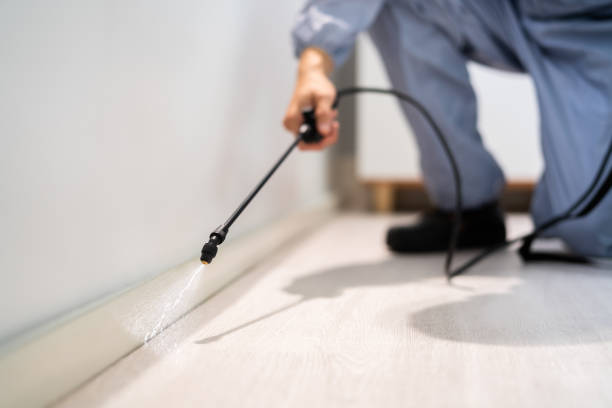
We identify the species and map the harborage zones before selecting any product or protocol. The first 10 minutes of every inspection determine the entire treatment plan that follows.
Call to Schedule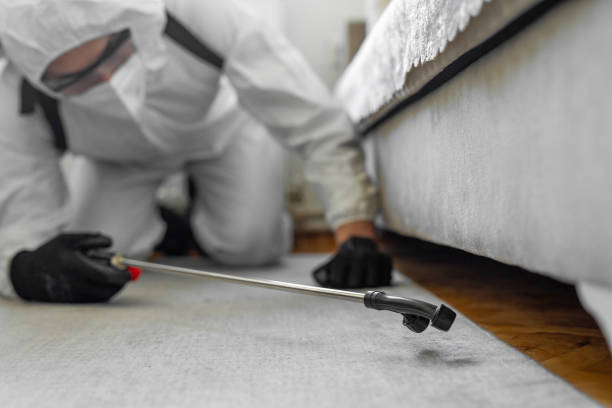
Gel bait is placed inside the harborage zone, not near it. The transfer mechanism eliminates the colony from within - including individuals that never leave the harborage to forage openly.
Call to Schedule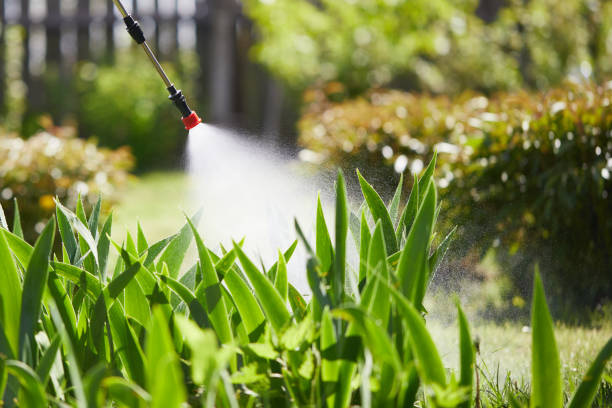
Insecticide dust and injection foam applied directly into wall voids, appliance cavities, and cabinet hinge spaces - the locations where established German cockroach colonies actually live, unreachable by surface application.
Call to Schedule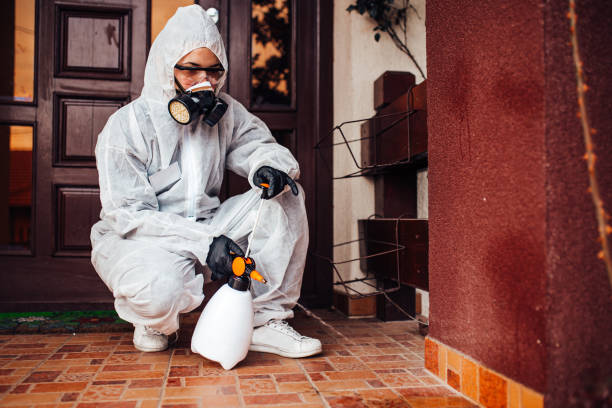
The exterior-first approach for American cockroach pressure in Jamestown: non-repellent barrier application and entry point exclusion in the same visit. Addresses the source, not the symptom.
Call to Schedule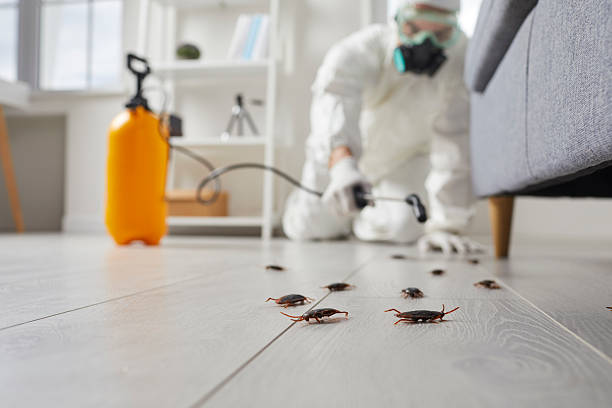
Commercial kitchen cockroach management in Jamestown with full health department documentation: service visit logs, station maps, catch records, and trend analysis for compliance purposes.
Call to Schedule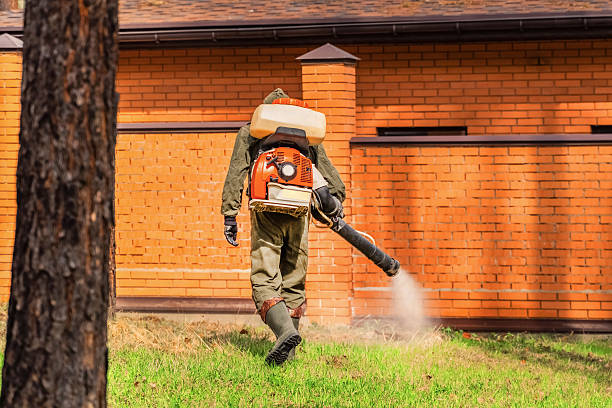
Follow-up visit refreshes bait placements and confirms population status through re-inspection of all harborage zones. Population confirmation, not assumption, is how the job is closed.
Call to ScheduleThe Process
We gather information about the infestation - species description, rooms affected, previous treatments - before the technician is dispatched.
The first 10 minutes of every inspection are species identification. German or American cockroach determines everything that follows - product, placement, and follow-up schedule.
Species determines protocol. Gel bait inside harborage zones for German cockroaches. Non-repellent perimeter barrier for American cockroach pressure. Both applied in the same visit when warranted by the assessment.
Bait refresh and harborage re-inspection at the scheduled follow-up. Population confirmation through data, not assumption - the account closes when the inspection confirms clearance.
Client Outcomes in Jamestown
Two previous companies treated my kitchen with spray. Neither time did they look inside the cabinet hinges or behind the dishwasher motor. Show Me Pest Control found the German cockroach colony behind the dishwasher motor housing on the first inspection. Gel bait placed inside the void - cleared in one treatment plus follow-up. I would still be getting sprayed every month by the other company.
Monthly spray for 8 months with continued activity in our prep kitchen. Show Me Pest Control identified the problem on the first visit: the previous bait was a brand cockroaches had learned to avoid, and the spray applications were contaminating the bait placements anyway. New bait, placed inside the harborage zones rather than on the surfaces. Activity cleared in under two weeks. That was the difference.
I kept finding large cockroaches in the bathroom at night and the previous company told me I had German cockroaches. They treated indoors with spray and the problem continued for months. Show Me Pest Control identified American cockroaches from the size, the evidence near the drain, and the absence of egg cases indoors. They treated the exterior perimeter and sealed two gaps around the floor drain. Zero sightings after the first treatment.
Common Questions
German cockroaches are small (1/2 to 5/8 inch), light brown with two dark stripes, and live entirely indoors - breeding in kitchen and bathroom voids, under appliances, and inside cabinet hinge spaces. They do not come in from outside; they are an established indoor population that grows entirely within the structure. American cockroaches are large (1.5 to 2 inches), reddish-brown, and live outdoors in warm moist environments. They enter structures at night to forage and return outside. The treatment difference is significant: German cockroaches require gel bait inside harborage zones and void injection. American cockroaches require exterior perimeter barrier application and entry point exclusion. Treating German cockroaches with an exterior spray produces no result. Treating American cockroaches with interior gel bait addresses temporary visitors rather than the outdoor population that continues entering.
Recurring cockroach activity after treatment in Jamestown almost always traces to one of three causes. First: species misidentification - the protocol applied did not match the species present. Second: gel bait contamination or misplacement - bait applied on travel surfaces (not in harborage zones) or contaminated by repellent spray products becomes ineffective or unattractive. Third: missed harborage zones - an established German cockroach colony in a wall void or appliance motor housing will survive surface treatment and repopulate the treated area within weeks. A post-failure assessment by Show Me Pest Control identifies which of these factors is responsible and corrects the protocol before re-treatment. Call +1-866-315-0243 to schedule an assessment of what the previous treatment missed in Jamestown.
Gel bait is significantly more effective than spray for German cockroach elimination when applied correctly - placed inside harborage zones, not on surfaces, and not contaminated by repellent products. For American cockroach pressure, neither gel bait nor interior spray is the primary treatment; perimeter barrier is. The "gel bait vs. spray" question only has a meaningful answer after species identification - which is why that step comes first in every Show Me Pest Control inspection in Jamestown.
Yes - commercial kitchen cockroach management in Jamestown with full documentation. Gel bait and non-chemical treatment in food-contact areas, service logs and station maps formatted for health department inspection, monthly service schedule. The zero-tolerance standard in commercial food service requires a program that produces documentation as well as results. Call to schedule a commercial assessment.
Visible reduction in German cockroach activity typically occurs within 5 to 10 days of correctly placed professional gel bait. Full population clearance is confirmed at the 2 to 3 week follow-up inspection. Large or multi-room infestations may require a bait refresh at follow-up. Consumer-grade bait products have significantly longer timelines and higher failure rates due to aversion formulations and surface placement rather than harborage zone placement. The timeline begins from correct placement, not from any bait at any location.
Professional gel bait treatment for German cockroaches is applied in very small amounts directly inside harborage zones - inside cabinet hinges, within appliance cavities, and inside void spaces that family members and pets do not contact. The placement locations and small application volumes mean that exposure risk is minimal under normal post-treatment activity. We will discuss specific re-entry timing and any household-specific precautions at the time of service. For commercial kitchens, we use formulations specifically labeled for food-handling areas and apply only in locations approved for food-contact environments. If you have specific concerns about pets, young children, or household members with chemical sensitivities, please discuss them with us by calling +1-866-315-0243 before scheduling - we can review the specific products and placement locations for your situation in Jamestown.
Whether you have German cockroaches breeding in your walls or American cockroaches entering from outside, Show Me Pest Control's technicians in Jamestown identify the species first and apply the matching protocol. Call now to schedule.
Call +1-866-315-0243 Now